Processing Plant
Grinding · Flotation · Leaching · Filtration
Context & Challenges
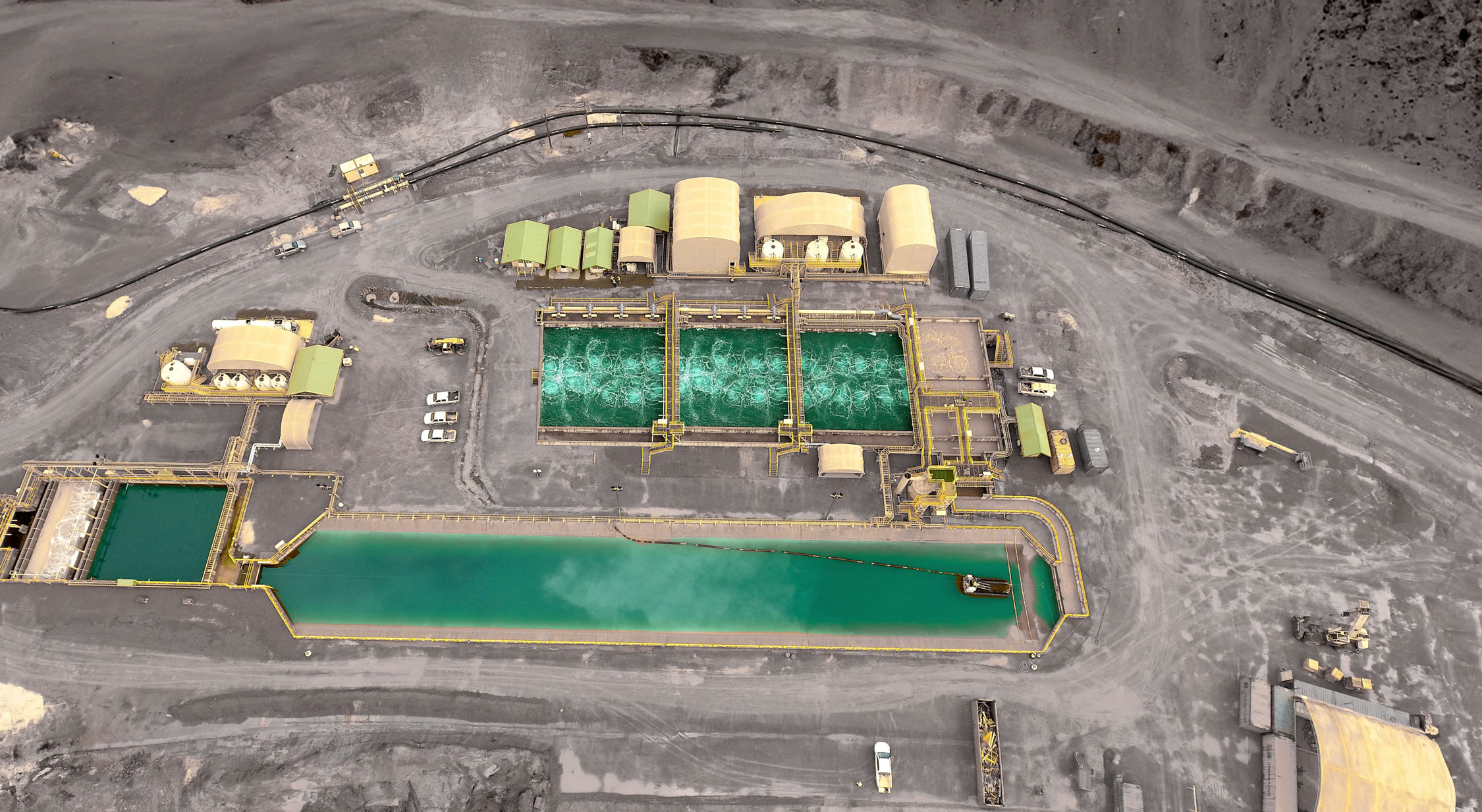
The processing plant is the economic heart of a mining operation. This is where extracted ore is transformed into concentrate or metal, generating the value that justifies all investments. Grinding, classification, flotation or leaching, thickening and filtration circuits operate continuously, 24 hours a day, 365 days a year. Any unplanned shutdown, even brief, translates directly into significant revenue losses.
In this context, consumables — mill liners, grinding media, flotation reagents, filter cloths — account for 60 to 70% of plant operating costs. Their selection directly determines metallurgical recovery rates, energy consumption and maintenance shutdown frequency. MINEFECT helps you optimise each of these parameters with quality supplies and field technical expertise.
Key Sector Challenges
The constraints we help overcome
Mill Liner & Grinding Media Wear
Liners for SAG and ball mills, along with the grinding balls themselves, are the highest-tonnage and highest-value consumables. A poor alloy or liner profile choice can reduce plant throughput by 10–20% and increase specific energy consumption significantly.
Flotation Reagent Performance
In flotation, collectors, frothers and pH modifiers are critical variables in recovery rate. Poor quality or incorrectly dosed reagents can drop recovery by 5–15 percentage points and degrade concentrate grade, directly impacting sales revenue.
Filtration Circuit Availability
Filter cloths, membranes and dewatering systems are often the weak links in processing circuits. Blinding or tearing during production can create bottlenecks that affect the entire downstream chain.
MINEFECT Solutions for This Sector
Chrome alloy, rubber and composite liners selected to match ore type, feed size distribution and target grind size.
High-hardness balls (60+ HRC) with uniform roundness for optimised consumption and efficient comminution.
Collectors (xanthates, dithiophosphates), frothers (MIBC, alcohols) and pH modifiers for sulphide, oxide and mixed ore circuits.
Monofilament and multifilament cloths, filter press membranes for concentrate and tailings dewatering applications.
Quicklime, cyanide (ICMC compliance), activated carbon and regeneration consumables for CIL/CIP/Heap Leach circuits.
Anionic, cationic and non-ionic flocculant polymers for thickener optimisation and slurry management.
Frequently Asked Questions
Answers to the questions our clients ask most
Ball consumption is influenced by ore hardness, mill charge level, rotational speed and ball quality. To optimise it: (1) select Brinell hardness appropriate to your ore (typically 400–500 HB for medium to hard ores), (2) maintain optimal charge level (35–45% of effective volume), (3) adopt a regular top-up policy to keep median ball size on target. We can conduct a consumption audit to identify optimisation levers specific to your site.
Rubber is preferred for secondary and tertiary mills (fine ore, small ball sizes): it is lighter, reduces noise and can last twice as long as steel under those conditions. Steel or composites are preferred for primary mills (coarse feed, high impact energy) where rubber would be torn away quickly. Composite liners (metal + rubber) offer a good compromise for intermediate applications.
We recommend a three-step approach: (1) laboratory tests on samples of your current ore to validate the reagent's theoretical performance, (2) a pilot trial running in parallel with the main production circuit on an isolated or semi-industrial stream, (3) a progressive switchover in production with enhanced monitoring of key indicators (recovery rate, concentrate grade, specific consumption). This approach minimises risk while enabling rigorous evaluation.
Yes, compliance with the International Cyanide Management Code (ICMC) is a non-negotiable condition for our cyanide supplies. We work exclusively with Code-signatory suppliers and ensure that transport, storage and handling conditions meet regulatory requirements. We can also support you in implementing or auditing your own cyanide management procedures.
Thickener efficiency is strongly influenced by the choice and dosage of flocculant. A flocculation study on your current slurry allows selection of the optimal polymer (molecular weight, ionicity). In practice, the right flocculant can reduce overflow turbidity and improve underflow density by 10–25%. Other levers include optimising the dilution point, feed flow rate and rake speed. We offer on-site flocculation trials with samples taken from your plant.
Ready to optimise your processing plant?
Share your metallurgical context — ore type, existing circuits, current pain points — and we will propose targeted solutions to improve your performance.