Quarries & aggregates
Crushing · Screening · Wear management
Context & challenges
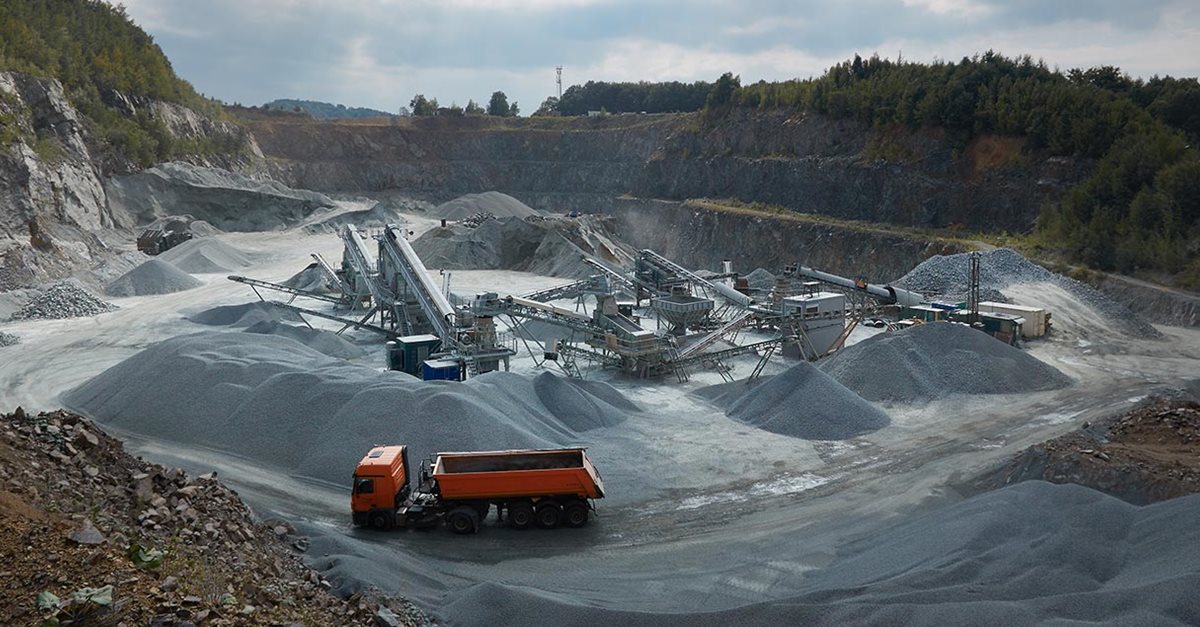
Aggregate quarries supply the major infrastructure projects across Africa: roads, dams, urban and industrial construction. These operations combine crushing, screening, washing, and conveying processes that subject equipment to intense and continuous wear. Production quality and consistency are directly determined by the performance of the consumables used throughout the process.
Operational cost optimisation hinges primarily on wear management: crusher liners, filter media, screen cloths, and panels often represent 30 to 50% of operating costs. MINEFECT helps you select consumables best matched to your rock type, your volumes, and your grading objectives — to maximise service life and minimise production downtime.
Key sector challenges
The constraints we help you overcome
Crusher wear component degradation
Jaw, cone, and impact crusher liners are subjected to repeated impacts and abrasion. Selecting an alloy poorly matched to your rock's hardness and silica content results in premature replacements and frequent production stoppages that multiply operational costs.
Screening efficiency
Blinded or torn screen panels cause poor size separation, degrading finished product quality and increasing reprocessing costs. The right choice between wire cloth, polyurethane, and rubber depends on material type and wet or dry screening conditions.
Dust emissions and compliance
Quarries are major sources of siliceous dust emissions, harmful to workers and neighbouring communities. African air quality regulations are progressively tightening, making effective suppression systems at critical emission points essential for operational permits.
MINEFECT solutions for this sector
Manganese steel, chrome alloy, or bi-metal selected to your rock hardness and abrasivity for maximum service life.
Polyurethane, rubber, and wire cloth panels adapted to dry and wet screening conditions for all aperture sizes.
Chrome plate, cast polyurethane, and vulcanised rubber for impact and sliding zones.
Misting ramps, anti-dust nozzles, and hygroscopic additives for critical transfer and storage points.
EP and ST carcass belts with mechanical or vulcanised splices for high-capacity conveying lines.
Specialised oils and greases for bearings, gearboxes, and hydraulic systems of crushers and vibrating screens.
Frequently asked questions
Answers to the most common questions from our clients
Manganese (Hadfield) steel is ideal for abrasive rocks that generate significant impacts: it work-hardens progressively and resists shocks well. Chrome alloy (white iron) is preferred for less abrasive materials with high sliding wear. Bi-metal combines both for optimal performance in intermediate environments. We analyse your feed size, rock hardness, and wear history to recommend the optimal solution for your conditions.
For wet or clayey materials, polyurethane panels with self-cleaning slot apertures or anti-blinding profiles are generally the most effective at preventing pegging. Rubber should be avoided for wet fine materials. We also supply integrated water spray configurations (wet screening) that significantly improve separation efficiency on fine fractions.
Liner ROI is evaluated by comparing: (1) the purchase cost of the new parts, (2) extended service life (fewer maintenance stoppages), (3) maintained productivity (no under-performance at end of liner life), and (4) optimised energy consumption. In general, switching to higher quality liners pays back in 3 to 6 months on intensive crushing lines. We can prepare a detailed comparative analysis for you.
Yes, for clients under supply contracts, we organise periodic technical visits (quarterly or semi-annual) during which our technician evaluates the wear condition of critical parts and anticipates upcoming replacements. This preventive service avoids emergency replacements (often 2-3x more expensive) and enables better planning of scheduled maintenance shutdowns.
The choice of fastening system (tenon/mortise, moulded polyurethane, quick-lock bolting) depends on change frequency and access conditions. Quick-lock systems significantly reduce maintenance downtime but have a higher unit cost. For high-frequency screens with frequent changes, investing in a quick-change system typically pays back very quickly through reduced downtime.
A quarry or aggregates project?
Describe your rock type, equipment, and production targets. We'll propose an optimised consumables selection to reduce your operating costs.